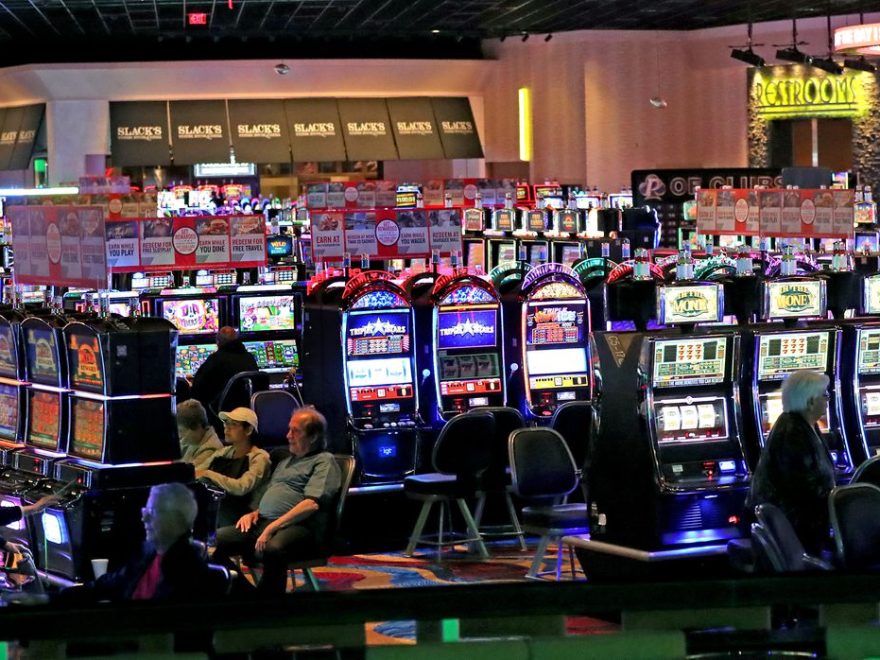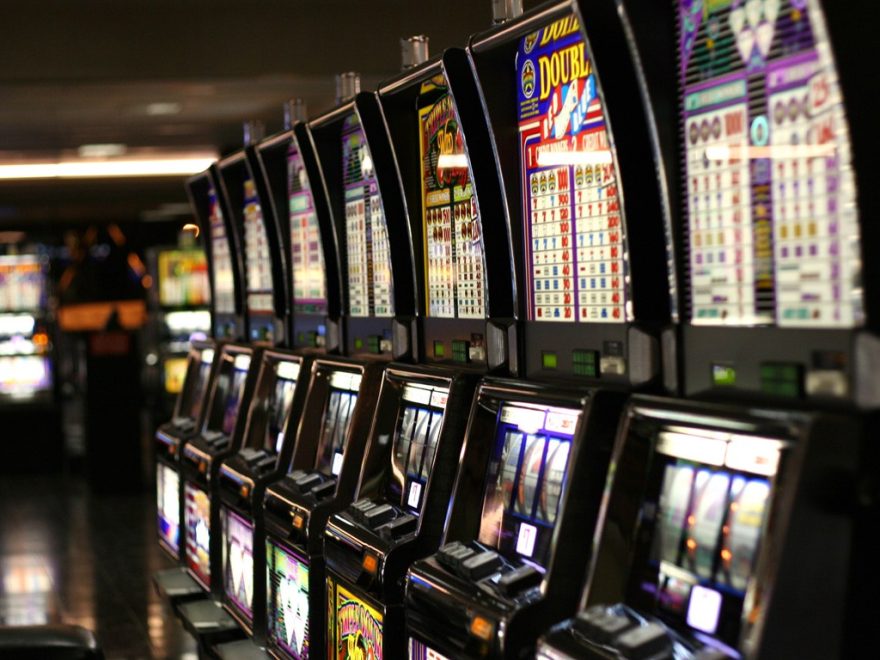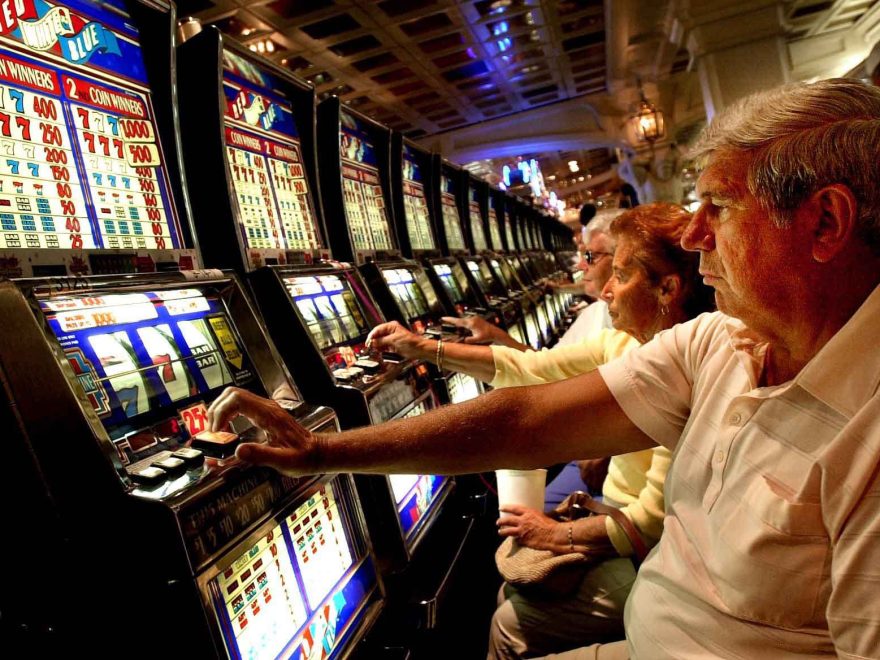
Slot machines have become a ubiquitous presence in casinos, bars, and even online platforms. These machines are designed to captivate and entice players, keeping them engaged for hours on end. But have you ever wondered why slot machines are so addictive? The answer lies in the psychology behind their design.
One of the key elements of slot machine design is the concept of variable rewards. Unlike other forms of gambling, such as blackjack or poker, where the outcome is determined by skill, slot machines rely solely on chance. This unpredictability creates a sense of excitement and anticipation, as players never know when they might hit the jackpot. The intermittent reinforcement of winning, even small amounts, keeps players hooked and encourages them to keep playing.
Another psychological aspect of slot machine design is the use of bright colors, flashing lights, and catchy sounds. These sensory stimuli are carefully crafted to grab the attention of players and create a stimulating environment. The vibrant graphics and animations are designed to trigger a release of dopamine, a neurotransmitter associated with pleasure and reward. This dopamine release reinforces the behavior of playing the slot machine, making it difficult for players to resist the urge to continue.